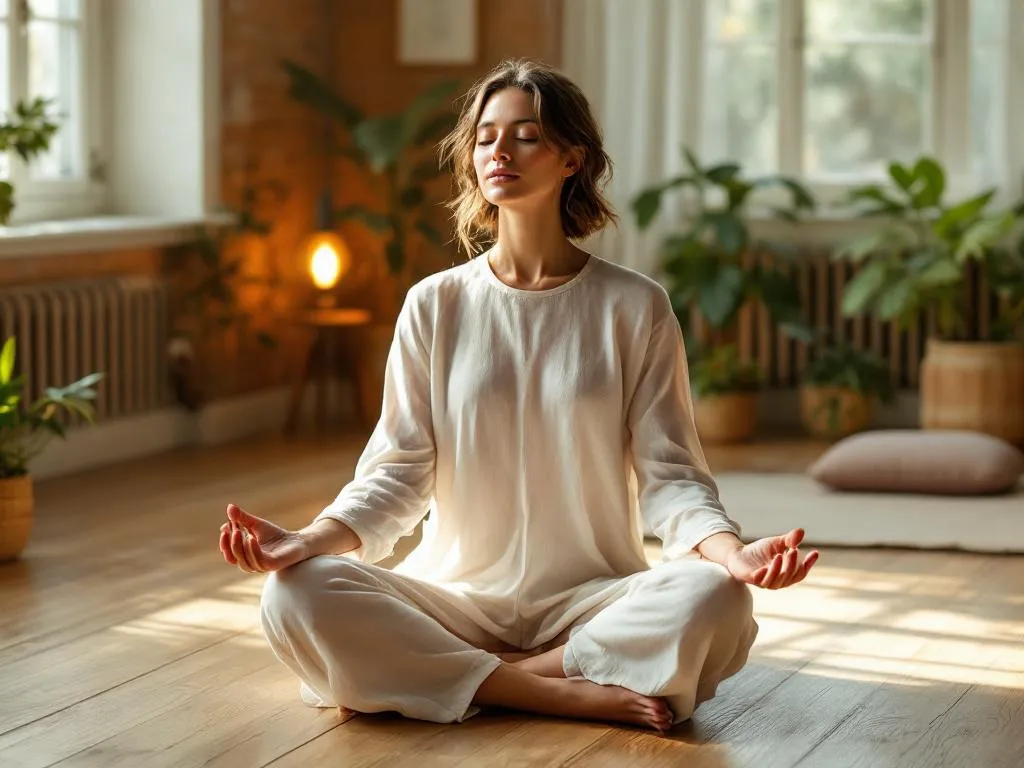
How Mindful Practice Changes Everything: The Real Impact of Tantra in London!
Urban life places heavy demands on the human nervous system. City residents process continuous sensory input during their working hours. This loud noise increases cortisol production. The body reacts to this pressure by tensing the spinal muscles. Shallow chest breathing becomes an unconscious physical habit for office workers. Medical doctors record resting pulse rates above eighty beats per minute in corporate populations.
Normal rest periods rarely fix these physical stress patterns. Dedicated physical methods offer an organized remedy for this chronic strain. Ancient eastern traditions provide clear protocols for intentional relaxation. The direct study of internal physical sensation forms the basis of mindful tantra practices.
Practitioners focus on physical reality instead of abstract thoughts. Physical tension dissolves when the brain directs steady attention toward specific nerve clusters. The respiratory muscles relax under deliberate cognitive control. The individual regains deep physical rest. We see these results through regular mindful tantra practices. These specific mindful tantra practices improve bodily function rapidly.
The Physical Reality of London Living
Commuters travel through crowded rail networks twice every day. The lack of fresh air strains cardiovascular performance. The constant visual glare of digital advertisements keeps the brain locked in high alert. Office workers sit in rigid desk chairs for eight consecutive hours. This static posture compresses the lumbar spinal discs. The body adapts to this routine by shortening the hip flexors.
Many people try to fix this physical degradation through intense cardiovascular exercise. Aggressive workouts place extra strain on exhausted adrenal glands. The body needs physical down-regulation instead of extra physical exertion. A studio provides a controlled environment free from digital screens. This space isolates practitioners from street noise. People often seek out mindful tantra in London locations for a quiet refuge. Finding proper mindful tantra London instruction requires careful research. Good mindful tantra London facilities maintain strict temperature controls.
Understanding Modern Tantric Methods
Historical methods often included complex cultural rituals. Modern teachers translate these concepts into verifiable physical actions. The primary focus centers on sensory feedback loops between the peripheral nerves and the central brainstem. Instructors teach students how to identify muscular holding patterns. They identify these patterns before those tensions manifest as acute structural pain. The methods do not require belief in specific metaphysical doctrines. Students treat each exercise as a laboratory experiment in human biology. This rational framework appeals to engineers and corporate managers who demand measurable results. The training emphasizes slow physical movements combined with precise respiratory ratios. Students learn to track subtle shifts in body temperature through tantra mindfulness. The skin responds to parasympathetic activation by increasing capillary blood flow. The hands become noticeably warmer within ten minutes. Practitioners monitor this thermal shift as an objective indicator of autonomic relaxation. The mind stops generating anxious projections about future work deadlines. Attention anchors completely within the physical organism. This biological clarity provides the foundation for stable emotional health. Practitioners report better resilience during stressful professional negotiations. They use tantra mindfulness to build emotional control. Dedicated tantra mindfulness protects the brain from burnout.
Foundations of Somatic Attention
The core philosophy grounds mental awareness directly into the biological operations of the human form. What is the exact benefit of this focus? The biological system recognizes this steady inward focus as a signal of security. Muscular tension releases without forceful manual manipulation.
Exploring the Union of mindfulness and tantra
The thoughtful integration of mindfulness and tantra establishes a practical bridge between cognitive observation and tangible bodily sensation. Practitioners actively observe the nervous signals moving across the skin. Practitioners study mindfulness and tantra to improve their cognitive focus. The breath acts as a physical anchor for attention. The mind tracks the inflation of the lower ribs carefully. This continuous monitoring prevents the cognitive faculties from drifting toward workplace worries. Mental fatigue clears away within twenty minutes of focused breathing. A person observes physical sensations directly to understand emotional states. The stomach muscles contract instantly during moments of psychological anxiety. The throat muscles tighten when speech remains suppressed during difficult meetings. A trained student observes these muscular contractions without panic. Slow exhalations loosen the constricted tissues immediately. This practice teaches individuals to treat bodily sensations as neutral neurological information. Irrational panic responses fade from the daily routine. A proper integration of mindfulness and tantra creates a calm mindset. People learn how tantra encourages mindfulness through these direct physical responses. Scientists measure how tantra encourages mindfulness by tracking heart rates. Understanding how tantra encourages mindfulness requires regular physical application.
Neurological Responses to Somatic Attention
Laboratory monitoring reveals that sustained physical attention shifts dominant brainwave activity. Rapid beta frequencies move down to calm alpha rhythms. The frontal cortex reduces its rapid analytical deliberations. The sensory cortex assumes primary operational control over incoming biological data. This neurological shift allows the cardiac muscle to decelerate. The vagus nerve increases its regulatory control over cardiac contractions. Blood vessels throughout the digestive tract widen. Glandular secretions resume their normal metabolic functions. The physical organism exits the sympathetic state of fight or flight. Restorative cellular maintenance proceeds without metabolic interruptions. Researchers evaluate these autonomic shifts through regular measurements of heart rate variability. Consistent practitioners show superior cardiovascular flexibility after completing tantric mindfulness practices. A flexible heart rate responds cleanly to sudden physical challenges. The pulse returns to baseline resting rates within minutes. Chronic mental rumination maintains a state of elevated vascular resistance. Focused physical tracking lowers systolic blood pressure measurably. The internal organs receive rich arterial blood flow. The immune system benefits from reduced concentrations of circulating inflammatory cytokines. These objective physical transformations explain why professionals turn to tantric mindfulness practices for health maintenance. Regular tantric mindfulness practices rebuild exhausted nervous systems.
Somatic Studios and Professional Instruction
Accessing formal training requires evaluating professional studios within the municipal environment.
Locating the most popular tantric studio in London
Residents seek out meditation centers because structured physical spaces facilitate deeper concentration. A dedicated urban studio provides acoustic isolation from emergency vehicle sirens. Thick masonry walls shield practitioners from vibration. The interior climate remains steady at twenty-one degrees Celsius. Muscle tissues stay warm and pliable throughout long seated sessions. Natural fiber floor coverings support joints during seated positions. Dim incandescent illumination protects the optic nerve from harsh fluorescent flicker. These physical characteristics prepare the human organism for deep physical focus. Prospective students frequently investigate the most popular tantric studio in London to confirm they receive safe instruction. A reputable commercial facility employs instructors with extensive certifications in anatomy and traditional eastern breathing disciplines. Studio administrators conduct thorough intake interviews with all new participants. These forms document past physical injuries and autonomic conditions. Clear ethical frameworks govern all class interactions. Students retain complete autonomy over their physical participation at every moment. This institutional clarity removes hesitation from the learning process. Students progress through technical exercises with complete psychological security. A person taking classes at the most popular tantric studio in London expects absolute professionalism. The instructors at the most popular tantric studio in London verify all health forms.
Environmental Standards for Somatic Studios
The physical design of a meditation facility directly influences the speed of parasympathetic activation. High ceilings allow proper air circulation. Specialized filtration units remove microscopic particulate matter produced by urban combustion engines. Acoustic baffles dampen the echo of footfalls. The absence of decorative clutter prevents unnecessary cognitive distraction. Instructors maintain the room with absolute cleanliness. Props receive sanitization after every group session. These environmental protocols protect physical health and create an atmosphere of profound seriousness.
- Certified instructors hold verified credentials in anatomical biomechanics.
- Studio facilities maintain soundproof architecture that reduces ambient urban noise below forty decibels.
- Intake procedures include written consent documents and individual health assessments.
- Training rooms provide dedicated props including firm cushions and dense cotton blankets.
- Class schedules offer consistent morning and evening options.
- The administration maintains a strict policy regarding personal boundaries.
The presence of these structural safeguards transforms the instructional experience into a reliable health discipline. When students enter a room designed for sensory regulation, their blood pressure begins to decline. The predictable routine creates a sense of physical safety. The nervous system lets go of defensive physical bracing. Experienced instructors monitor the room for signs of hyperventilation or physical distress. They modify exercises to protect student comfort. This careful professional oversight distinguishes verified studios from casual social workshops.
Methodical Approaches to Somatic Focus
Structured physical practices use direct sensory inputs to train attention and release chronic muscular tension.
Executing Advanced tantric mindfulness practices
The systematic execution of mindful awareness exercises begins with steady tactile tracking across the surface of the skin. A student sits upon a firm bolster. The hands rest palm down on the knees with fingers relaxed. The individual directs full conscious attention to the warmth generated between the palm skin and the trousers fabric. The mind observes this thermal exchange without inner commentary.
The breath flows through the nostrils in an unbroken rhythm. If the mind wanders toward future work obligations, the student returns attention to the physical sensation in the palms. This straightforward exercise strengthens the neural mechanisms that govern selective mental focus. Instructors introduce formal mindful awareness exercises to expand sensory capacity. One primary method involves open-eye gazing at a dedicated physical point located three feet forward on the floor.
The student avoids blinking for sixty consecutive seconds. Tears clean the cornea as the optic nerve settles into stillness. The peripheral visual field blurs naturally. The visual cortex ceases its restless scanning for novel environmental stimuli. This ocular stabilization produces an immediate reduction in cognitive internal chatter. The practitioner experiences a distinct sense of spatial stillness through these mindful awareness exercises.
Somatic Anchoring Techniques
Physical anchors provide the sensory cortex with concentrated streams of afferent nerve signals. When a person experiences mental anxiety, the cognitive loops consume the majority of glucose in the cerebral cortex. Introducing a sharp sensory focal point redistributes this metabolic activity toward sensory processing regions. The individual experiences rapid relief from obsessive thought loops. The brain cannot process intense sensory data and complex verbal worries simultaneously. Instructors teach several distinct anchoring techniques.
- Sustained palmar pressure on the upper thigh bones stabilizes the pelvic floor.
- Steady ocular focus on a single stationary object quiets the eye movements associated with anxious cognition.
- Deliberate sensory tracking of skin temperature shifts blood flow away from the core.
- Gentle contact between the tongue and the hard palate releases chronic jaw clenching.
- Rhythmic movement of the abdominal wall stimulates mechanoreceptors that communicate safety to the central nervous system.
These physical anchors provide reliable tools for individuals who struggle with silent meditation. Seated meditation often frustrates active professionals. The mind continues to generate rapid thoughts in the absence of sensory input. Somatic anchors give the brain an explicit physical assignment. Cognitive resources remain occupied with concrete physiological tracking. The individual does not attempt to force thoughts to vanish. The thoughts lose momentum when starved of conscious attention. The practitioner achieves a calm state of physical clarity through these physical anchors.
Breath Regulation and Respiratory Mechanics
Respiratory control serves as the direct biological mechanism for modulating heart rate.
Technical Analysis of Respiratory Patterns
The clinical mastery of mindful breathing tantra requires an accurate understanding of respiratory mechanics. Shallow breathing engages only the superior lobes of the lungs. This restricted movement signals distress to the brainstem. Full diaphragmatic respiration forces the visceral organs downward.
The lower lobes of the lungs expand into the abdominal cavity. This deep expansion stimulates the pulmonary vagal receptors. These nerve endings transmit inhibitory signals to the cardiac pacemaker cells. The pulse decelerates by several beats per minute. Systemic vascular resistance falls across the arterial network. Students begin breathing training by establishing a four-second inhalation phase. This is followed by a six-second exhalation phase in mindful breathing tantra. The practitioner inhales through both nostrils while maintaining completely relaxed facial muscles.
The abdomen pushes forward gently. The student pauses for one second at the top of the breath. The air leaves through slightly parted lips. The prolonged exhalation phase increases carbon dioxide tolerance in the bloodstream. This shift improves cellular oxygen delivery through the Bohr effect. The brain receives rich oxygenated blood. Feelings of lightheadedness or fatigue dissipate within five minutes of mindful breathing tantra.
Daily Application of mindful breathing practices inspired by tantra
Advanced students train in specialized mindful breathing practices inspired by tantra to gain precise control over internal arousal levels. The alternate nostril technique represents the most rigorous of these traditional breathing protocols. The practitioner lifts the right hand and places the thumb gently against the right nasal aperture. The student inhales through the left nostril for a count of four seconds.
They close both nostrils for two seconds. The right thumb lifts, and the breath releases smoothly through the right nostril over an eight-second count. This alternate respiratory flow balances the temperature and airflow between the two nasal passages. Left nostril respiration stimulates the parasympathetic nervous system. Right nostril respiration promotes metabolic alertness. By balancing these pathways, the student achieves a state of relaxed vigilance without feeling lethargic.
Practitioners perform these mindful breathing practices inspired by tantra for ten minutes prior to complex professional tasks. Cognitive performance tests show marked improvements in analytical precision. The method requires zero expensive apparatus. Professionals execute these mindful breathing practices inspired by tantra directly at office desks.
Practical Methods for Mindful Awareness Exercises
Physical exercises translate internal somatic focus into functional daily movements.
Step-by-Step Instructions for how to practise mindful tantra
New practitioners need clear structural guidelines when studying how to practise mindful tantra within private domestic settings. The student selects an uncluttered room with adequate floor space. Electronic devices remain outside the room. The individual sits upon a firm cushion with hips elevated slightly above the knees.
This arrangement prevents lower back strain. The spine remains upright without rigid stiffness, and the chin tucks slightly to lengthen the cervical vertebrae. The practitioner sets a simple mechanical timer for fifteen minutes. The timer eliminates the need to look at watches during practice. The session proceeds through an orderly sequence of physical awareness checks. The student directs conscious awareness to the soles of the feet. The attention moves upward through the calves and thighs.
The abdominal wall relaxes completely, and the practitioner observes the gentle movement of clothing fabric against the skin. The shoulders drop away from the ears. The teeth separate to release tension in the temporomandibular joints. This systematic body scan answers the core question of how to practise mindful tantra properly. The physical structure anchors the attention firmly. Discursive thoughts settle into silence, and this forms the basis of how to practise mindful tantra.
Somatic Tracking in Daily Movement
Practitioners apply physical tracking exercises to slow walking routines to train attention during physical locomotion. The student stands tall at one end of a quiet corridor and feels the distribution of weight across both feet. The right heel lifts slowly from the floor, and the calf muscles engage to propel the leg forward through the air.
The heel contacts the wooden floorboards with deliberate softness, and the body weight rolls forward onto the metatarsal pads. The individual tracks every micro-movement of this single step, and the entire movement takes eight seconds to complete. This slow locomotive tracking interrupts habitual rushing patterns that generate background anxiety during normal working days.
The brain receives unambiguous sensory feedback from the plantar nerve endings, and spatial awareness becomes crisp and clear. The student repeats this movement with the left leg, and ten consecutive minutes of slow walking completes the exercise. When people practice this deliberate movement, their walking speed during urban commutes becomes more grounded and measured. The individual conserves energy during transit, and arrival at the workplace occurs without cardiovascular exhaustion.
Sustaining Daily Focus with Everyday Tantra Practices
Converting formal training into unconscious daily habits maintains continuous autonomic balance.
Habit Formation and Sensory Grounding
The real test of somatic training occurs outside the studio. Students establish everyday tantra practices within domestic routines. Preparing morning food offers an ideal setting for continuous physical observation. The hands feel the cool weight of kitchen utensils. The ears listen to the sound of water warming in the kettle. The individual resists the temptation to check digital news headlines while preparing breakfast.
Attention stays locked on tactile feedback. This conscious boundary protects the morning mental state from premature stress. The day begins with calm intentionality through these everyday tantra practices. Washing the body during morning showers serves as another reliable anchor. The individual tracks the impact of hot water droplets across the skin of the upper back. The mind notes the thermal gradient.
The scent of vegetable soap stimulates the olfactory senses. The hands move across the limbs with steady, deliberate pressure. The practitioner treats this routine hygiene task as a formal five-minute meditation. Distracting thoughts about work projects are set aside until dressing. This simple discipline preserves precious cognitive energy for demanding professional tasks. These everyday tantra practices improve daily stamina.
Integrating everyday tantric mindfulness practices at Work
Corporate professionals rely on everyday tantric mindfulness practices to maintain composure during high-pressure workplace events. A practitioner introduces a sixty-second pause between completing an email and opening the next document. During this minute, the individual rests both feet flat upon the floor. They release the grip on the computer mouse. The abdomen expands with two slow breaths.
The eyes gaze out the window at distant cloud formations. This micro-break releases the optical convergence spasm caused by computer monitors. The nervous system resets before work resumes. Lunch breaks require strict physical boundaries to protect digestive function. The professional leaves the office desk entirely and consumes food in a quiet environment. Every mouthful of food is chewed twenty times before swallowing.
The individual notes the flavors and textures of the ingredients. Slow mastication stimulates saliva production and activates gastric enzymes. The gastrointestinal tract functions without digestive cramping. The individual returns to the desk refreshed. The common afternoon energy crash is avoided completely through proper everyday tantric mindfulness practices. People share these everyday tantric mindfulness practices with their colleagues.
Guidance for Beginners and New Students
Foundational somatic routines provide immediate neurological relief without demanding extensive flexibility.
Executing simple tantra mindfulness exercises
Novice students frequently require straightforward physical methods. Instructors provide simple tantra mindfulness exercises that yield immediate results. One reliable exercise involves tracking five distinct sensory inputs while sitting in any normal chair. The individual identifies three separate physical sensations. They notice the fabric of the collar, the sole of the shoe, and the temperature of the air. The person then identifies two distinct ambient sounds, such as ventilation fans and street traffic. This systematic sensory cataloging directs cognitive resources outward. Internal anxiety loops break apart immediately during these simple tantra mindfulness exercises. Another rapid exercise involves tactile self-acupressure using the thumb and index finger. The student applies firm pressure to the webbing between the opposite thumb and pointer finger.
They hold this pressure for ninety consecutive seconds while maintaining slow diaphragmatic breathing. The dense concentration of mechanoreceptors in the hand sends strong sensory signals directly to the brain. These signals override minor pain signals from spinal joints. The physical sensation grounds the practitioner during intense corporate presentations. Colleagues notice only an aura of steady composure. These simple tantra mindfulness exercises work quickly.
Structured Protocols for mindful tantra for beginners
The safest method of mindful tantra for beginners involves the supine constructive rest position. The student lies flat on the back on a carpeted floor. The knees bend at a ninety-degree angle, and the soles of the feet plant on the floor. A thin book rests under the occipital bone of the skull. This maintains neutral cervical spinal alignment. The arms rest six inches away from the torso with the palms facing upward.
This posture eliminates all postural muscular effort. The spinal discs decompress naturally against the firm floor. The instructor guides the beginner through a verbal relaxation protocol. The student consciously softens the muscles surrounding the eyes. The forehead skin becomes smooth and cool. The jaw drops slightly open. The breath enters and exits through the throat without resistance or audible sound. The practitioner remains in this restorative position for fifteen minutes. Blood pressure drops to basal resting levels. This gentle introduction to mindful tantra for beginners proves that physical relaxation requires no strenuous athletic ability. Confidence in mindful tantra for beginners grows steadily.
Scientific Mechanisms of Body Awareness
Modern neurobiology explains how deliberate sensory attention reorganizes brain architecture.
Research on how tantra encourages mindfulness
Cognitive neuroscientists investigate interoceptive pathways through the activation of the human insular cortex. The insula acts as the central processing hub for interoception. This represents the internal map of visceral bodily states. When an individual focuses on heartbeat sensations, the insular neural networks fire rapidly.
People with high interoceptive accuracy recognize rising stress levels hours before emotional outbursts occur. Corrective breathing begins early. Somatic attention quiets the default mode network of the brain. This network generates depressive rumination and chronic anxiety. By grounding attention in physical touch, the somatic practitioner shuts down this distressing internal dialogue.
The metabolic energy of the brain moves to active sensory processing regions. Clinical scans confirm that regular practitioners maintain smaller amygdala volumes. This correlates directly with lower subjective stress. This neurological data proves the value of physical tracking.
Interoception and Autonomic Health Metrics
The somatic training process alters blood chemistry and vascular mechanics through repeatable neurological pathways. When sensory signals flood the spinal cord, autonomic balancing signals travel outward to the peripheral organs. Clinical trials measuring somatic practitioners over six-month periods demonstrate stable adaptations that protect the vascular endothelium from shear stress damage. These physical shifts explain why long-term students report superior energy levels and sustained physical comfort.
- Baseline heart rate variability metrics increase, which demonstrates superior parasympathetic nervous system flexibility.
- Salivary cortisol concentrations decrease by twenty-five percent after eight weeks of structured daily somatic practice.
- Systolic blood pressure measurements decline toward healthy normative baselines in individuals with mild hypertension.
- Sleep laboratory polysomnography reveals longer durations of restorative slow-wave stage three non-REM sleep.
- Skin conductance tests show reduced autonomic reactivity when exposed to sudden loud auditory stressors.
These objective data points demonstrate that somatic disciplines provide tangible clinical outcomes that exceed basic relaxation therapies. When the brain receives clear signals of physical safety from the viscera, systemic inflammatory cascades subside.
White blood cell counts normalize, and inflammatory cytokine production in the liver declines measurably. Practitioners report fewer tension headaches and less functional dyspepsia. Chronic lower back discomfort subsides as pelvic tension dissolves. The body heals itself when freed from the metabolic drain of constant autonomic panic.
Integrating Practices into Daily Schedules
Implementing an unshakeable daily timetable guarantees the consistent application required for lasting neurobiological changes.
Structuring how to include tantra in a wellness routine
Students frequently ask for precise instructions on how to include tantra in a wellness routine without disrupting busy work schedules. The answer lies in modular scheduling that divides practice into small units across the day. An individual allocates ten minutes upon waking. They practice for five minutes in the middle of the working day. They finish with fifteen minutes before retiring to bed.
This distributed model works better than a single long weekly session. The nervous system benefits from frequent autonomic resets. The cumulative effect of thirty daily minutes transforms baseline neurological functioning within sixty days. The morning module focuses on respiratory activation and structural spinal alignment. This prepares the individual for active physical demands. The midday module provides down-regulation to clear cognitive fatigue. It reduces elevated blood pressure caused by morning meetings. The evening module prioritizes passive muscular release and sensory withdrawal to prepare the brain for deep sleep. This rhythmic schedule mirrors natural circadian rhythms. The body anticipates each phase of the routine. The practitioner maintains this framework even while traveling for business. Hotel rooms become reliable spaces for somatic restoration. This structure defines exactly how to include tantra in a wellness routine. Many corporate workers learn how to include tantra in a wellness routine through trial and error.
Execution of a simple mindful tantra routine
A reliable simple mindful tantra routine requires no complex equipment. It fits into standard domestic morning timetables. The following chronological sequence provides a complete twenty-minute protocol for home practice.
- A person rises from bed at six in the morning and drinks a glass of room-temperature water.
- They sit upright on a firm meditation cushion with the spine straight and the eyes softly closed.
- They perform ten slow cycles of diaphragmatic breathing.
- They count four seconds on inhalation and six seconds on exhalation.
- They shift into five minutes of alternate nostril respiration.
- They open the eyes and maintain steady gaze focus on a single floor point for sixty seconds.
- They transition to the floor and rest in the supine constructive rest position.
- They stand slowly and proceed into normal morning preparations with calm focus.
Following this exact protocol removes decision fatigue. It establishes an automatic biological habit within four weeks. The physical organism adapts to the sequence. The nervous system begins down-regulating the moment the cushion is placed on the floor. Practitioners report that morning irritability disappears. Interactions with colleagues become more patient and peaceful. The physical grounding achieved during this simple mindful tantra routine acts as armor against urban chaos. Subway delays fail to trigger emergency autonomic responses. The practitioner remains poised and steady through the most demanding corporate environments. They repeat this simple mindful tantra routine every single day.
Final Assessment of Somatic Discipline and Urban Health
The demands of modern urban living continue to increase. Technological connectivity threatens to erode natural biological boundaries. Without conscious interventions, the human body suffers from chronic autonomic hyperarousal. Muscle degradation and mental exhaustion follow closely. The practical methods of mindful somatic training provide a concrete antidote to these environmental hazards. By treating the physical body as an intelligent biological organism, individuals reclaim their health and vitality.
The ancient traditions preserved these exact methods for centuries. Contemporary medicine now confirms their extraordinary physiological value. The real impact of this discipline appears in the measurable reduction of resting heart rates and stress biomarkers. Practitioners experience deeper sleep and clearer cognitive focus. They build genuine emotional resilience under challenging professional conditions. The techniques require minimal capital investment. They demand only personal discipline and structured execution. People who commit to daily somatic training navigate urban life with calm confidence. Their bodies remain relaxed and balanced through every season of life.