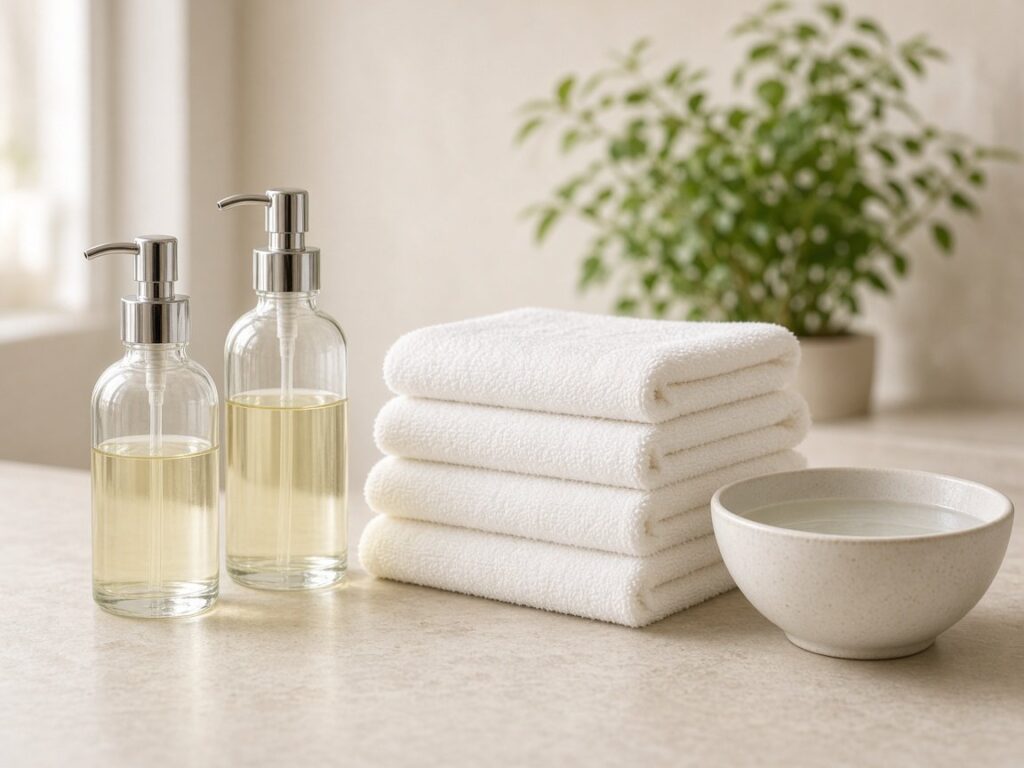
Fragrance-Free Massage in London: How to Plan a Comfortable Visit
A beautiful massage studio can have the softest towels, the warmest lighting and a carefully chosen soundtrack. Yet one small detail can make it unsuitable for a visitor: the smell. A scented diffuser at reception, freshly washed linen carrying a strong detergent fragrance, or an aromatic massage oil may be barely noticeable to one person and distracting or uncomfortable to another.
If you are looking for a fragrance-free massage in London, the important question is not simply whether the therapist can use an unscented oil. You also need to understand the room, the products used for cleaning and laundry, and how the studio responds when you explain your preferences.
Fragrance-free massage means looking beyond the oil
A fragrance-free massage generally means that added scent is avoided in the products and surroundings involved in the appointment, to the extent the provider can control them. This is a practical description rather than an industry-wide certification. A studio might offer fragrance-free massage oil while still using scented candles in the corridor. Another might have an unscented treatment room but wash towels in heavily perfumed detergent.
When a venue says it can make a session fragrance-free, ask which parts of the experience that promise covers. A clear explanation matters.
Why ‘unscented’ and ‘fragrance-free’ are not interchangeable
The two terms often appear side by side on massage products, but their meanings can differ. Fragrance-free generally indicates that fragrance materials have not been added for the purpose of creating a scent. Unscented may mean a product has little detectable smell, sometimes because ingredients mask the odour of other components.
DermNet’s guidance on fragrances and perfumes explains this distinction. It also notes that product descriptions can be imperfect guides to what an individual with a fragrance allergy will tolerate. A product might contain botanical ingredients with their own natural odour or other components that cause irritation.
For that reason, ‘fragrance-free’ is a helpful starting point, not an absolute safety guarantee. If you have a confirmed allergy, ask the therapist for the actual product name and ingredient list where possible.
The five fragrance sources many clients forget to ask about
When people enquire about scent-free massage, they tend to focus on the oil. The room itself deserves equal attention. Consider the entire journey from the entrance to the treatment space and back to the changing area.
Reception and shared areas
A reed diffuser beside reception or an automatic air freshener in a hallway can affect your experience before the massage begins. If a studio shares facilities with another business, it may not have control over every nearby fragrance source. Ask whether you need to pass through scented common areas and whether any diffusers can be turned off in advance.
Towels, robes and treatment linen
Fresh linen does not have to smell of perfume to be clean. Laundry detergent, scent boosters and fabric conditioners can leave a noticeable odour in towels or on a massage table. Fragrance may remain even when no one has deliberately sprayed the room. A useful question is whether the studio has towels washed without added fragrance, rather than whether the towels are ‘fresh’.
Cleaning products
Hygiene is essential, and it should never be compromised to remove a smell. However, some cleaning products include perfume and others do not. A provider may be able to use suitable fragrance-free products while maintaining proper disinfection procedures. Ask about this in advance; changing a cleaning routine at the moment you arrive may be impractical.
Oils, lotions and other skin products
Massage oil is the most obvious source, but hand creams, lotions, balms and post-treatment products also deserve attention. Essential oils are not automatically suitable simply because they are plant-derived. If you are avoiding fragrance, specify that you do not want essential oils added to an otherwise neutral base oil.
Perfume worn by people
The therapist’s own fragrance can be as noticeable as a room diffuser. Some studios have staff policies on perfume; others may not. A respectful, specific enquiry about personal fragrance is appropriate, particularly if the appointment involves close contact.
Does fragrance sensitivity always mean an allergy?
No. Disliking strong perfume, noticing headaches around certain smells and having allergic contact dermatitis are different situations. People also vary in how they perceive and respond to particular odours. You do not need a formal diagnosis to request a less-fragranced environment, but you should avoid labelling every discomfort an allergy.
The NHS explanation of contact dermatitis distinguishes irritant reactions from allergic reactions. Both can involve products used on the skin, and perfume ingredients are among the possible triggers. DermNet also describes how allergic fragrance reactions can develop hours or days after exposure, rather than always appearing immediately.
If you have persistent, recurrent or severe skin symptoms, seek guidance from a GP or appropriate clinician. A massage therapist can discuss products and avoid known ingredients, but cannot determine the medical cause of a reaction. For someone with a diagnosed allergy, a professional’s advice on identifying and avoiding triggers should take precedence over general wellness guidance.
How to request a low-fragrance appointment without a long explanation
You should not have to disclose a detailed medical history just to ask whether a room contains diffusers. A concise message that separates your essential needs from your preferences is often enough to begin the conversation.
For example:
I’m interested in booking a massage but need a low-fragrance setting. Could you confirm whether you can use a massage oil with no added fragrance and avoid diffusers, scented candles and perfumed room sprays during my visit? Please also let me know whether the towels and treatment room have a noticeable laundry or cleaning fragrance.
The goal is a sensible decision before travel, especially if you are crossing London for an appointment. A short exchange now can prevent an uncomfortable conversation when the treatment is about to begin.
Can essential oils still be used in a fragrance-free treatment?
Usually that would defeat the purpose of a fragrance-free request. Essential oils are aromatic substances, and some can trigger skin reactions in susceptible people. The botanical origin of an ingredient does not make it universally gentle.
DermNet’s article on allergic contact dermatitis to essential oils describes reactions linked to certain oils and stresses the importance of avoiding known allergens. A diluted essential oil may be appropriate for some clients, but dilution does not remove the possibility of an allergy.
If you want a session without added fragrance, say so directly. Do not assume that a practitioner will interpret ‘sensitive skin’ as a request to remove every scented product. Similarly, avoid requesting an unfamiliar essential oil as a supposedly safer alternative without checking whether it suits your individual needs.
A realistic booking scenario in Central London
Imagine someone working near Holborn who is considering a massage after an unusually busy week. They are comfortable with massage oils but find strong floral scents unpleasant. A venue near their evening route advertises a calm interior, but its photographs show scented candles on the reception desk.
Instead of abandoning the booking or assuming the candles are merely decorative, the client asks whether fragrance is used on the day of the appointment. The studio explains that the candles are unlit and that it can provide an unscented oil, but it cannot guarantee that nearby shared areas will be free of perfume. The client then decides whether that level of accommodation meets their needs.
Now consider a different visitor staying near Earl’s Court who has a known allergy to a fragrance ingredient. This person needs more than a pleasant-smelling room. They may need to identify the massage products and avoid exposure to their allergen. If the venue cannot supply clear product information or make necessary arrangements, choosing not to book is the sensible outcome.
These are illustrations, not client testimonials. Both visitors are asking reasonable questions, but they need different levels of assurance.
What a careful studio response should tell you
Good communication is specific. Rather than relying on claims that a venue is ‘hypoallergenic’ or ‘chemical-free’, look for a practical account of the products, the space and the limits of accommodation. Every massage product contains chemicals, including water and plant oils, so ‘chemical-free’ is not a meaningful safety standard.
A studio may reasonably say it can provide a certain oil but cannot fully control perfume worn by other visitors. It may also need notice to arrange suitable linen or adjust room fragrance. These are limitations worth knowing, not necessarily reasons to dismiss the venue.
If the answer seems unclear, you can ask one follow-up question. If essential requirements remain unconfirmed, do not feel pressured to proceed with payment or attendance.
Fragrance-free does not mean abandoning the atmosphere
A refined wellness environment need not depend on scent. Lighting, privacy, room temperature, a clean treatment space and a clear welcome can create a thoughtful atmosphere on their own. Some clients prefer music; others value silence. The absence of scented candles does not make an appointment less luxurious.
When it is wiser to postpone a massage
If your skin is actively inflamed, broken or reacting to an unknown product, postponing a massage may be more appropriate than experimenting with a different oil on the day. The NHS advises seeking medical guidance for persistent, recurrent or severe contact dermatitis symptoms. Avoid applying a new product simply to test whether a treatment might be tolerated.
An immediate severe allergic reaction requires urgent medical attention, not a change of massage oil. If you have a known serious allergy, follow your clinician’s advice about exposure and emergency plans. A wellness provider should never claim that a massage can treat allergies, eczema or other skin conditions.
For everyone else, the decision can be simpler: if the venue cannot offer an environment in which you are likely to be comfortable, it may not be the right appointment at that time.
Frequently asked questions about fragrance-free massage
The following questions cover common points that may be missed in a brief booking description. A provider’s current arrangements always need to be checked directly.
Is a fragrance-free massage the same as an unscented massage?
Not necessarily. Fragrance-free generally means fragrance has not been added to create a smell, while unscented may describe a product whose odour is masked. For people avoiding a known ingredient, the product’s actual formulation is more useful than the label alone.
Can a massage studio guarantee an entirely scent-free environment?
Absolute guarantees can be difficult, particularly where people share entrances, corridors or nearby facilities. A studio should explain what it can control, including its oils, room products, laundry and staff practices. If you need strict allergen avoidance, obtain specific answers before attending.
Are natural or organic massage oils safer for fragrance allergies?
Not automatically. Natural plant extracts and essential oils may still cause irritation or allergy. An organic label says nothing definitive about an individual’s reaction. Ask about ingredients and avoid known triggers.
Can I bring my own massage oil?
Some providers may allow it, while others have hygiene, insurance or product-compatibility rules. Ask before the appointment and provide the full product details if requested. Permission to use a personal product should never be assumed.
What if the treatment room smells strongly fragranced when I arrive?
Tell the staff before the session starts. Ask whether another room or an adjustment is possible. If an essential requirement cannot be met, discuss the available options rather than beginning a treatment you are uncomfortable receiving.
Does a low-fragrance massage treat eczema or allergies?
No. Reducing exposure to an individual trigger may be helpful for someone advised to avoid it, but massage is not a treatment for eczema or allergies. Seek healthcare advice for diagnosis and management of skin symptoms.
Make the booking fit your real preferences
The most useful fragrance-free massage in London is not the one with the most reassuring adjective in its advertisement. It is the appointment for which you can get clear answers about oil, linen, room fragrance, cleaning products and practical limitations before you arrive.
If a setting can be adapted to your needs, you may find it easier to settle into the appointment without wondering what you will smell next. If it cannot, you have enough information to make another choice. Either way, the decision stays with you.
If you are considering a treatment, contact Velvete Tantric London to ask which fragrance-free or low-fragrance arrangements, if any, can be made for a current booking.